


On 25 November 2025, X-MILES announced the availability of new electric vehicle charging facilities at SkyVogue Residences. The addition gives EV-owning residents the convenience of charging where they live instead of depending entirely on external public charging locations.
Residential charging is becoming an important facility for condominiums and apartments. However, a successful installation requires more than placing a charger in an available parking bay. The management body must consider electrical capacity, access, billing, parking rules, maintenance and future expansion.
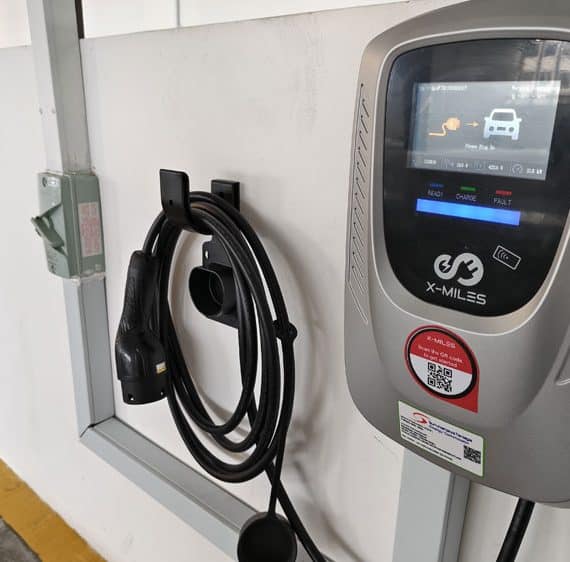
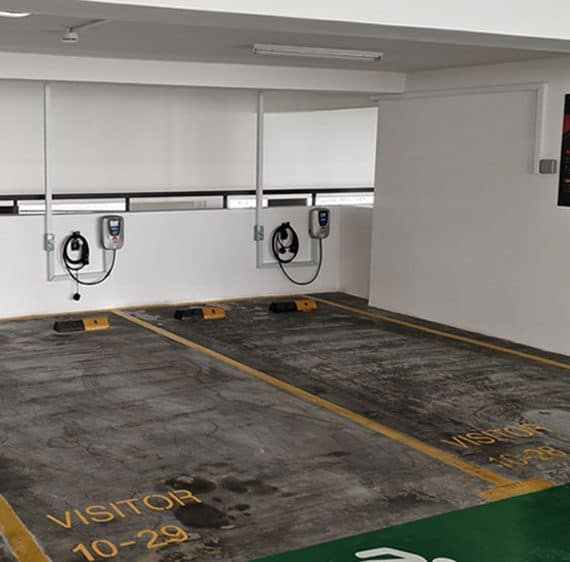
Why charging at home changes the EV ownership experience
The greatest advantage of residential charging is convenience. A resident can connect the vehicle while it is already parked and return later to a recharged battery. This reduces the need to make a separate trip to a public charger and gives the driver a more predictable daily routine.
For the property, EV charging can improve readiness for future demand. As more residents change to electric vehicles, buildings with a planned charging system will be in a better position than properties that respond one charger at a time without an overall strategy.
Key decisions for a condominium charging project
Charging location and cable route
The selected bays should be practical for EV users and accessible for maintenance. Cable routes from the electrical source must be evaluated, especially in multi-storey parking areas where long distances can affect installation cost.
User access and payment
The management should decide whether charging is reserved for residents, opened to visitors or managed as a paid public service. RFID, mobile-app authentication and a charging-management platform can help control access and record transactions.
Electrical capacity and load management
The available supply should be assessed before the number and power of chargers are confirmed. Load management can help distribute available power among multiple chargers and support expansion without allowing every unit to draw maximum power at the same time.
Parking and charging rules
Clear rules help prevent charging bays from becoming permanent parking spaces. The management may establish time limits, idle fees or procedures for moving a vehicle after charging has completed.
A scalable approach is more sustainable
A condominium does not necessarily need to install chargers for every parking bay immediately. A phased plan can begin with a suitable number of charging points while preparing the electrical and communications infrastructure for future additions.
X-MILES supports residential developments with AC and DC chargers, site consultation, charging-management options and local after-sales support. The objective is to build a system that works for residents today and can grow with the property’s future needs.
Frequently asked questions
Can a condominium install EV chargers without upgrading the entire electrical supply?
Possibly. The answer depends on available capacity, existing loads and the proposed charging demand. Load management may help, but a professional assessment is still required.
How can the management charge users for electricity?
A compatible charging platform can record energy use and support tariff settings, transaction tracking and user authentication.
Should a condominium choose AC or DC charging?
AC charging is commonly suitable for residents who park for several hours. DC fast charging may be considered for visitor areas or locations requiring faster turnover.


